

A Day in the Life
Every day at Sapphire follows a clear structure: morning masterclasses and seminars, afternoon workshops and guest talks, supervised evening reflection and social time. Students move through a full timetable of academic sessions, practical activities, and mentor-led check-ins, all within the university campus environment.
Introduction
A printed timetable sits beside a cereal bowl, already soft at the edges where it has been folded and unfolded. Breakfast plates move around the dining hall, chairs scrape, someone laughs too loudly over toast. The page gets checked again anyway, finger tracing the first slot of the day.
In the doorway, a Sapphire Education mentor catches the glance, says a name like it is already familiar, then taps the timetable with one finger. The morning masterclass, second floor, first room on the left. The paper gets tucked into a pocket, still visible, still close.
Morning
The masterclass starts with a short reading on the desk and a quiet rustle as pages turn. Laptops open, pens come out, margins fill up with arrows and quick notes. A question gets called out from the back, then another, and the tutor answers without slowing the pace.
In the seminar that follows, chairs pull into a tighter circle and a case study lands in the middle of the table, printed and marked up. Points get tested out loud, corrected, sharpened. Feedback comes back fast and specific, a sentence underlined, a phrase rewritten, a reminder to make the evidence do more work.
Student Participation
When the room goes quiet after a question, a shy student puts a hand up first. Heads turn, then lean in, listening. From the back, a mentor nods once, not to interrupt, just to keep the moment moving.
The rhythm is clearly university rather than school. The discussion runs quicker, the expectations sit higher, and nobody waits long for someone else to carry it. Notes get added to the timetable between sessions, small reminders written in the margins.
Afternoon
After lunch trays and the low hum of the dining hall, a workshop takes over a bright room with tables pushed together. Sticky notes cover the surface, moved around, grouped, peeled off and stuck back down. A mini research question takes shape, not in one go, but through quick edits and quiet agreement.
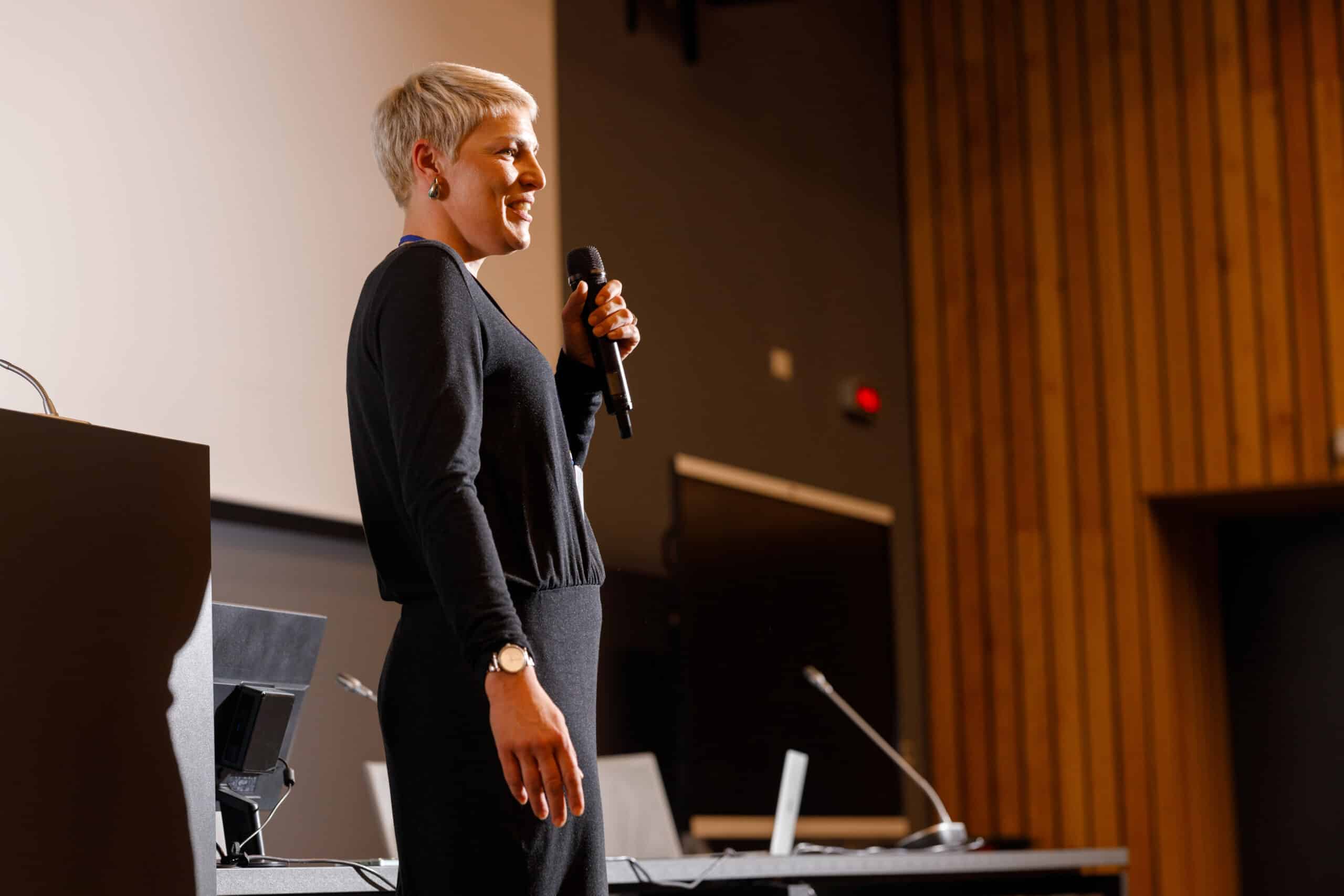
Later, a guest talk ends with hands going up for Q&A. A student keeps writing even after the last question, filling a page with follow-ups to ask in the corridor, or to bring to the next session while the details are still fresh.
Learning In Motion
An off-site visit shifts the day again. Coach seats shift as everyone settles, clipboards balanced on knees, pens tapping while the route rolls past the window. There is a different kind of attention now, eyes scanning for details worth bringing back.
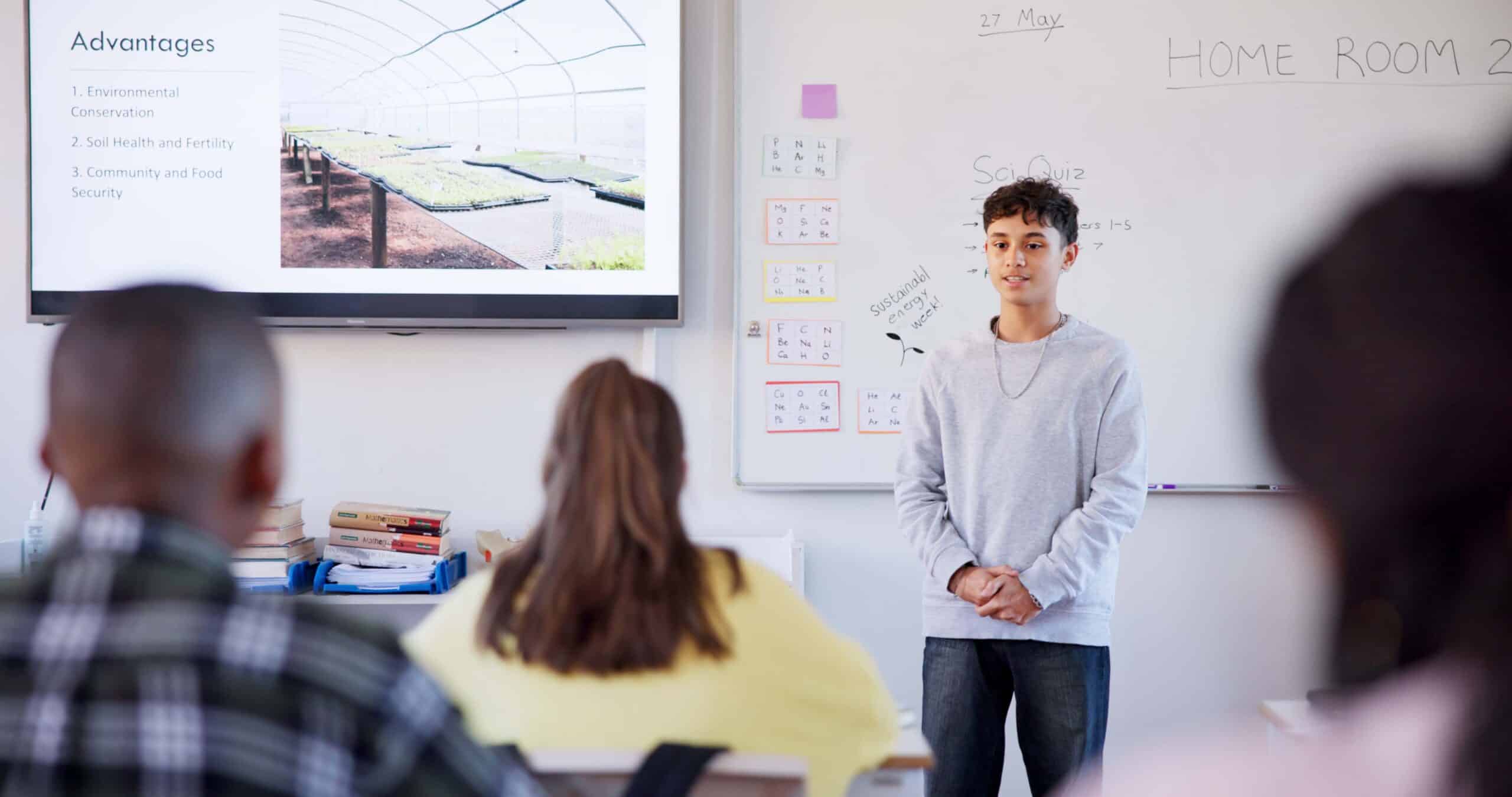
On campus, those details turn into a short presentation. Slides stay simple, words get cut down, timing gets practised out loud. Someone runs through an opening line, stops, tries it again, and a mentor steps in with one small change that makes it clearer.
Evening
As the light fades, chairs form a circle and prompt cards get passed around. One takeaway goes down on paper, a single sentence that holds the day in place. A mentor checks understanding with a quick question, then listens without rushing the answer.
Later, the common room hosts a quiz night, voices overlapping, laughter bouncing off the walls. When it quietens, a mentor moves through the corridor for the nightly welfare check-in, stopping at each door, confirming everyone is settled, answering any last questions, and reminding the group of the morning start time. Doors close, lights go out, and staff remain on-site and available through the night.
Conclusion
The timetable comes out again at the end of the day, no longer clean and straight. It is marked up with notes, arrows, and reminders, the blank spaces filled with what actually happened in each hour.
By the end of a single day, a student has practised critical thinking in a seminar, built a research question from scratch, presented to peers under timed conditions, and reflected on what they have learned with a mentor. These are the skills that universities look for and that carry forward long after the programme ends.
It gets folded away with more care this time. Tomorrow’s sessions are already sitting there on the page, and today’s notes make it clear what they will build on.